Tamr hindi
A fruit that earns its place in medicine cabinets.
Tamarind has been eaten as food and taken as remedy for centuries. Here is what the modern evidence points to — and how to work it into ordinary cooking.
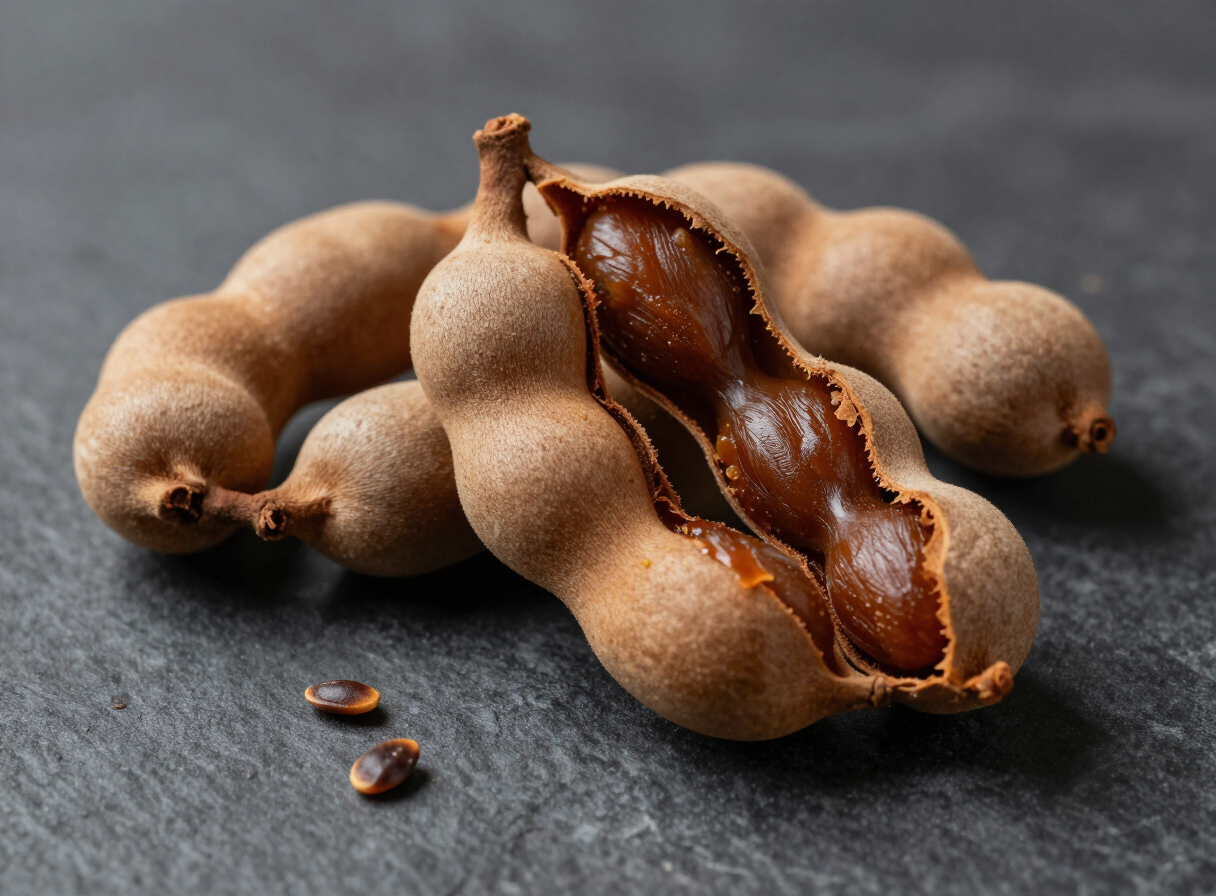
Heart friendly
Tamarind pulp is rich in potassium and polyphenols, both linked in research to healthier blood pressure and cholesterol profiles.
Gentle on digestion
Traditionally taken across the Levant and South Asia as a digestive aid, thanks to its natural tartaric and malic acids plus dietary fibre.
Antioxidant load
The dark pulp carries flavonoids and vitamin C that help the body handle oxidative stress.
Anti-inflammatory compounds
Tamarind seed and pulp extracts have been studied for their anti-inflammatory polysaccharides.
Liver support
Animal studies suggest tamarind extract supports liver enzyme balance as part of a varied diet.
Magnesium and iron
A tablespoon contributes magnesium, iron and B vitamins that support energy metabolism.
This page is general food information, not medical advice. Speak to a clinician about your own diet, especially if you take blood pressure or blood sugar medication.
Taste it for yourself